
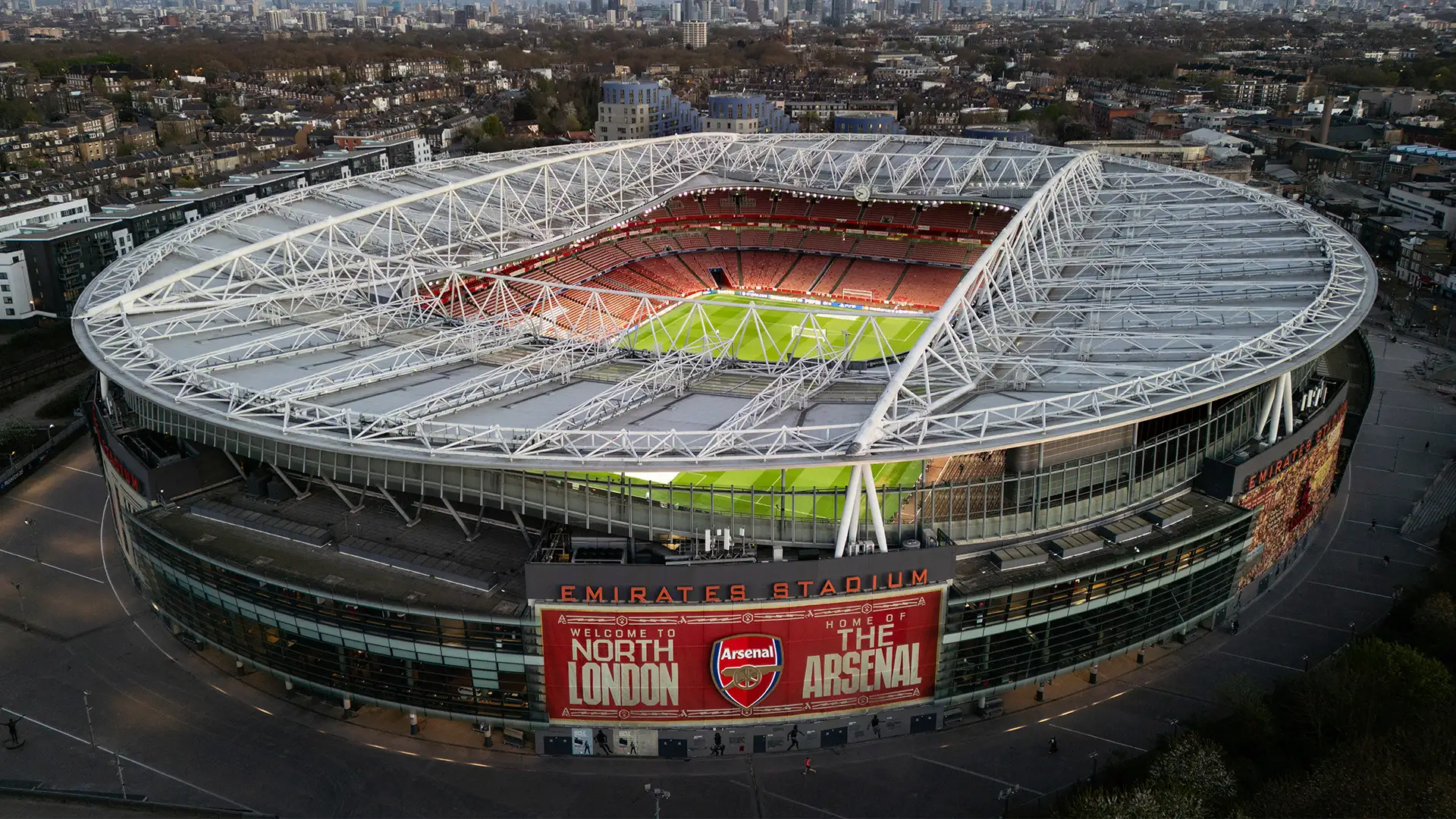
Arsenal fixtures and standings: what changed after 25 January 2026?
Arsenal’s 2–3 home defeat to Manchester United on 25 January 2026 sent a ripple through the Premier League title race. Beyond the scoreline, the match compressed the margins at the top, sharpened fixture pressure, and reframed expectations for the weeks ahead.
This article delivers a copy-ready update for global fans: fixtures, standings, analytics, and future projections, plus responsive custom HTML you can embed on WordPress or paste into Docx without breaking layout on mobile.
Match recap in context (why this result matters)
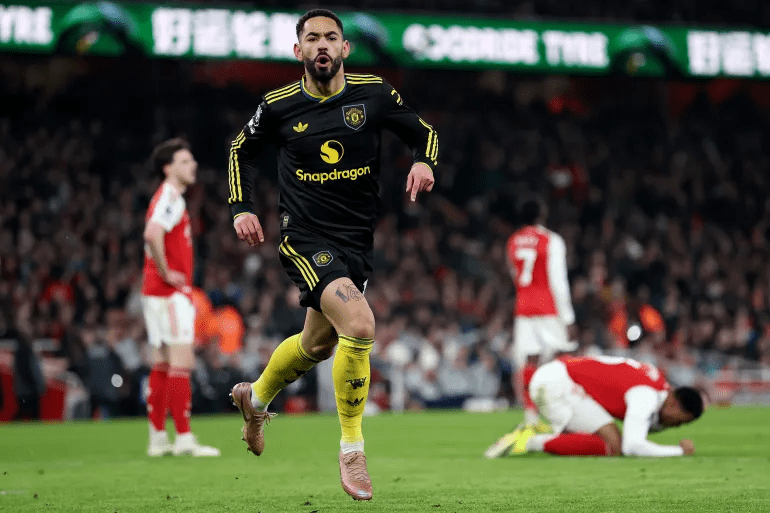
Arsenal led twice and controlled long stretches, but late defensive lapses proved costly. United’s comeback underlined a familiar Premier League truth: game control doesn’t equal points when margins are thin. For Arsenal, it was a reminder that the run-in will be decided by execution in decisive moments, not dominance alone.
Updated Premier League standings snapshot (post-Matchday 23)
Table reflects the immediate impact after the 25 January fixture.
| Pos | Club | P | Pts |
|---|---|---|---|
| 1 | Arsenal | 23 | 50 |
| 2 | Manchester City | 23 | 46 |
| 3 | Aston Villa | 23 | 46 |
| 4 | Manchester United | 23 | 38 |
Takeaway: Arsenal remain top, but the cushion has thinned. Every dropped point now reverberates through the table.
Arsenal fixtures and schedule: next matches that define the run-in
| Date | Competition | Opponent | Venue |
|---|---|---|---|
| 1 Feb 2026 | Premier League | Fulham | Home |
| 7 Feb 2026 | Premier League | Tottenham Hotspur | Home |
| 10 Feb 2026 | Premier League | West Ham United | Away |
Why these games matter: two London derbies and a testing away trip—momentum builders or momentum breakers.
Deep analytics: facts, trends, and what comes next
1) Performance trends (facts)
- Chance creation: Arsenal remain among the league’s most consistent creators; shot volume and territory control stay high.
- Set-piece efficiency: A reliable scoring route all season—valuable when open-play chances tighten.
- Game states: Points dropped have clustered around late phases; closing games cleanly is the next edge.
2) Tactical levers (near-term)
- Rest defense: Protecting transitions late in matches to preserve leads.
- Central progression: Faster ball circulation through midfield to prevent opponents settling.
- Bench impact: Earlier, targeted substitutions to manage fatigue in congested weeks.
3) Title-race projections (futures)
- Win the next two league games: Arsenal re-establish control and force rivals into chase mode.
- Split results: The race compresses further, raising pressure on head-to-heads later.
- Drop points again: Momentum swings decisively; margin for error narrows to near-perfect execution.
4) Managerial lens
Under Mikel Arteta, Arsenal’s identity is clear. The challenge now is game management—turning control into certainty when the stakes peak.
Arsenal vs Manchester United – Video Recap (25 January 2026)
Relive the key moments that reshaped the Premier League title race.
What should watch next
- Response factor: How Arsenal start the next match after a setback.
- Defensive concentration after 70’: Where points have leaked.
- Rival schedules: Pressure rises if chasers keep winning.
Resources & further reading
- Premier League – Arsenal matches & standings
- Arsenal official site – fixtures and news
- Related coverage on WorldCupHype.com
Bottom line
Arsenal fixtures and standings still point to a title-capable season. The loss on 25 January didn’t end the push—it clarified the margins. Convert control into late-game certainty, and Arsenal remain masters of their fate.
