
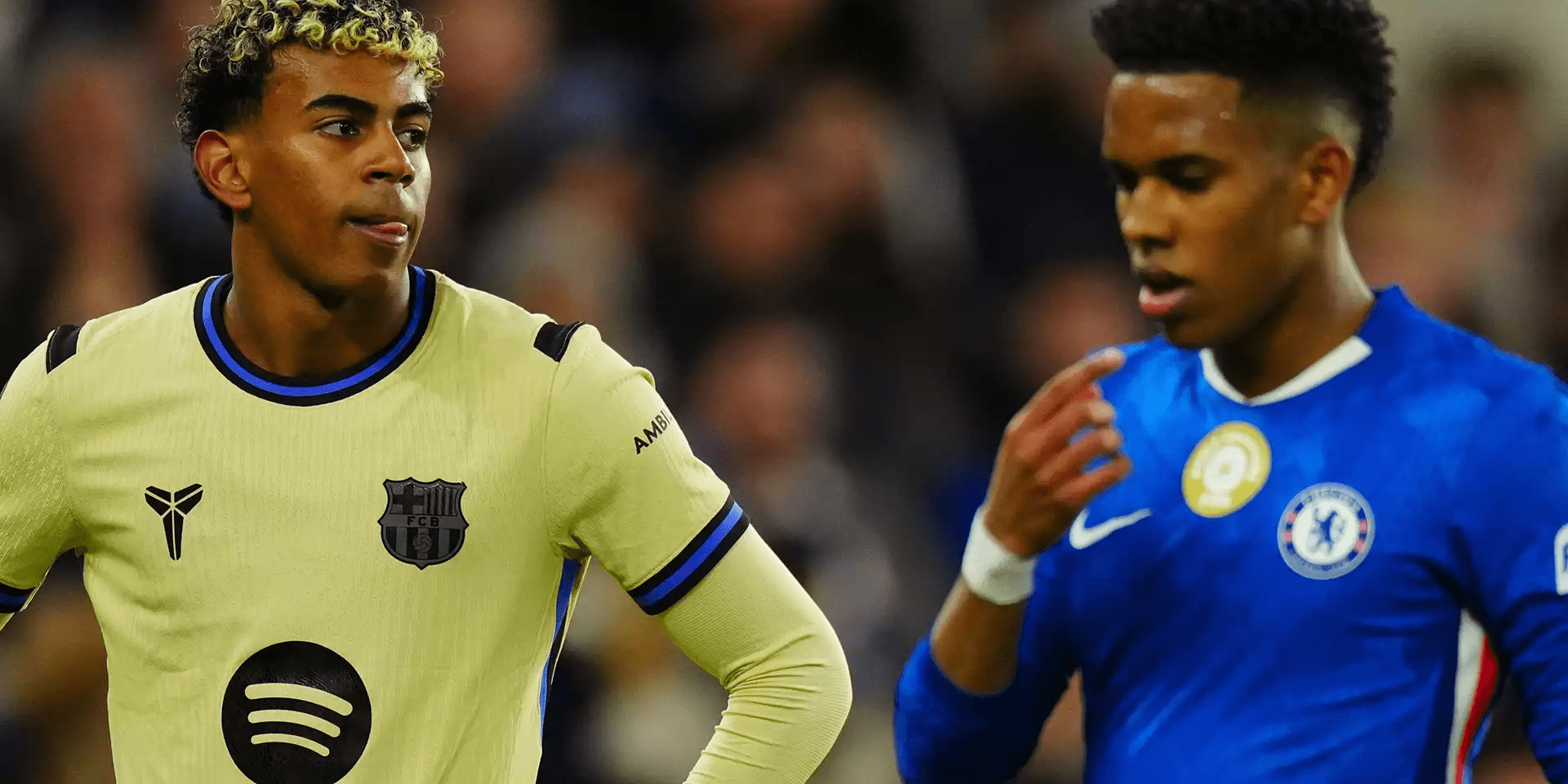
In late 2025, long before squads are officially named and tickets are printed, World Cup 2026 prospects are quietly being shaped behind closed doors. National team coaches may deny it publicly, but selection logic is already forming — based on trust, injuries, tactical reliability, and political balance inside the squad.
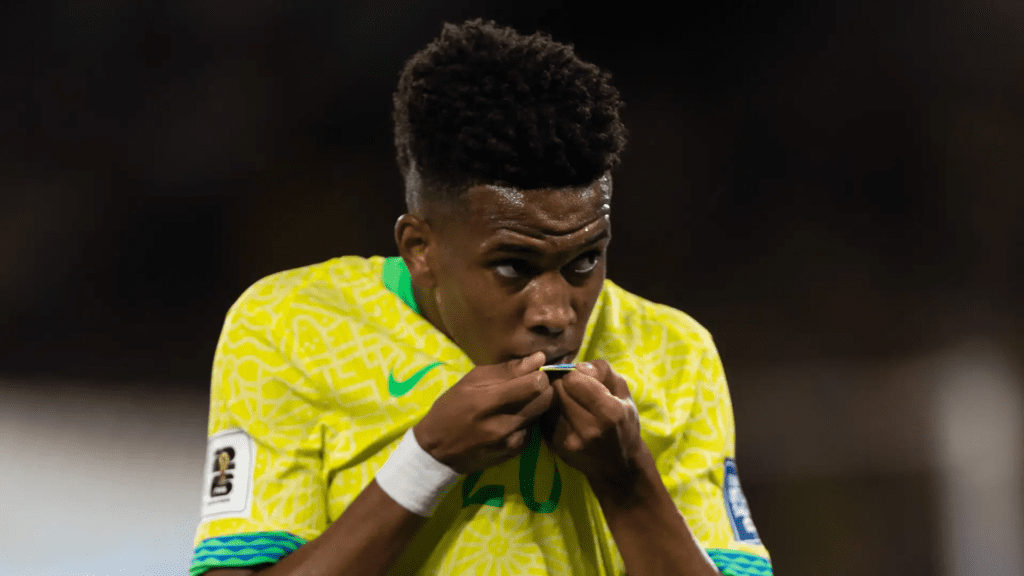
Two teenage names keep appearing in very different conversations across Europe and South America: Lamine Yamal, Spain’s generational winger at Barcelona, and Estevao Willian, Brazil’s electric attacker now testing himself in England.
Both are young. Both are immensely talented. And both face very different obstacles on the road to North America in 2026.
This is not a hype piece.
This is a reality check.
World Cup 2026 Prospects: Why Age Is No Longer the Biggest Barrier
World Cup history has shifted. Teenagers are no longer automatically treated as long-term projects. If you are good enough — and brave enough — you play.
But World Cup 2026 prospects are not decided by talent alone. They are shaped by trust, timing, injuries, and how much risk a coach is willing to take when everything is on the line.
That distinction matters when evaluating Yamal and Estevao.
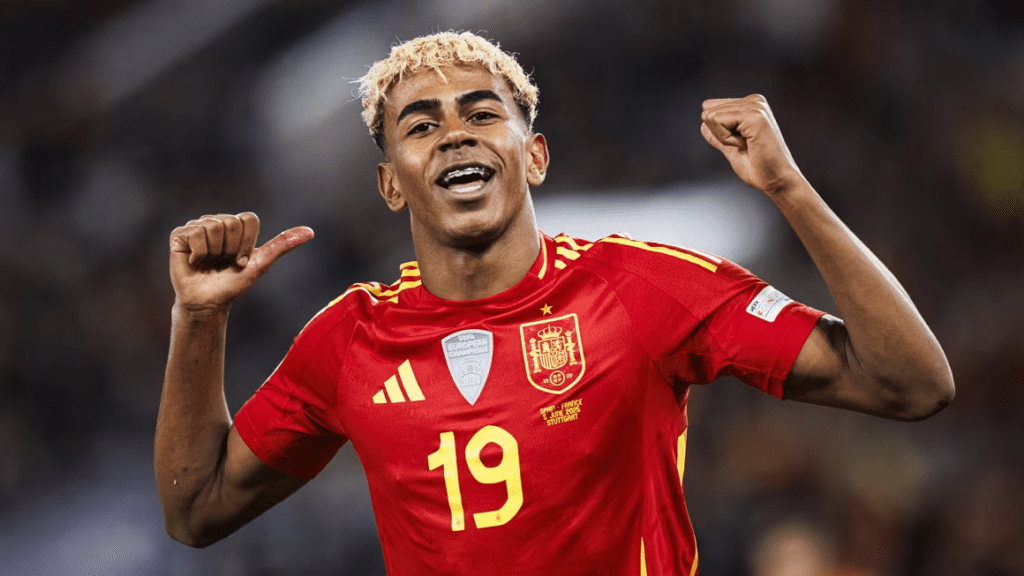
Lamine Yamal and Spain: Talent Is Not the Question
By the end of 2025, Lamine Yamal is no longer a “future star.” He is a present one.
At Barcelona, he is trusted in decisive matches. With Spain, he is already part of the tactical conversation, not just an impact substitute.
Spanish media have debated one uncomfortable question all year:
Should Yamal be protected — or unleashed?
From a pure footballing perspective, his World Cup 2026 prospects look strong. Spain value control, width, and intelligence in wide areas, and Yamal provides all three. More importantly, he understands positional discipline — something young attackers often lack.
However, Spain’s real dilemma is depth. Their system does not revolve around individuals. It absorbs them.
That could limit Yamal’s minutes, even if he travels.
The Injury Factor Nobody Likes to Talk About
There is one concern Spain’s coaching staff will never say out loud: load management.
Yamal has already experienced minor muscular issues during qualification cycles. None were dramatic, but they add up. Spain’s medical department is cautious, especially with players who accumulate minutes at elite clubs before turning 20.
His World Cup 2026 prospects remain high — but not invulnerable.
If Spain reach the knockout stages, Yamal is more likely to decide games from the bench than start every match.
Estevao and Brazil: World Cup 2026 Prospects in a Crowded Room
Brazil’s situation could not be more different.
Estevao Willian does not suffer from lack of talent.
He suffers from excess competition.
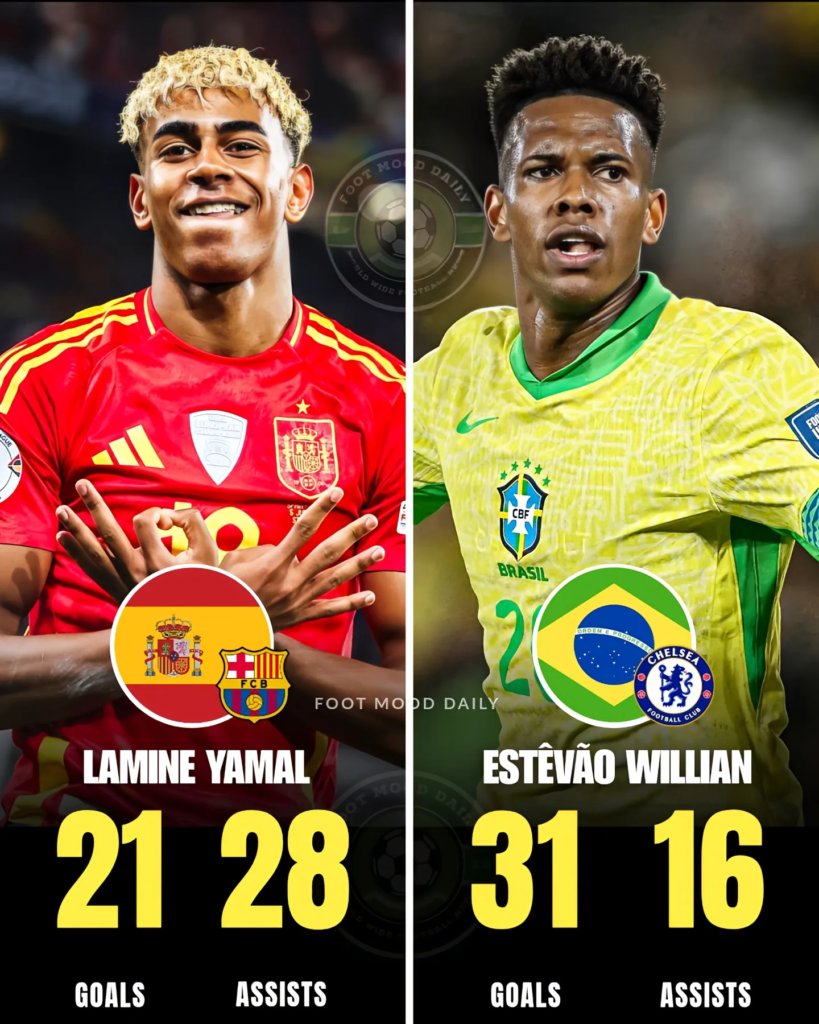
Brazil’s attack is already stacked with established names playing decisive roles in Europe. History shows that Brazil managers often lean toward familiarity in World Cups — especially in early rounds.
Estevao’s performances in qualifiers have helped his case. His move to Chelsea accelerated his learning curve. Yet, selection is not just about form. It is about hierarchy.
For Brazil, World Cup 2026 prospects are shaped by one brutal truth:
someone talented will always be left out.
Why Estevao’s Timing Might Still Work
Despite the competition, Estevao has one advantage that numbers do not show: fearlessness.
Brazilian coaches value players who can change tempo late in matches. Estevao fits that profile. His directness and confidence in one-on-one situations make him a useful weapon when structure breaks down.
If Brazil advance deep into the tournament, he is the type of player who can swing momentum — even without starting.
That reality keeps his World Cup 2026 prospects alive.
Comparing World Cup 2026 Prospects: Context Matters More Than Talent
| Aspect | Lamine Yamal | Estevao Willian |
|---|---|---|
| Tactical Trust | High | Moderate |
| Squad Competition | Manageable | Extremely high |
| Likely Role | Rotational starter | Impact substitute |
| Risk Factor | Injury management | Selection politics |
Talent alone does not decide World Cups. Context does.
What Fans Should Watch Before 2026
If you are tracking World Cup 2026 prospects, focus on these signals:
- Friendly matches against top nations
- Knockout-stage minutes, not just call-ups
- Tactical roles, not highlights
- Injury prevention, not recovery
These details matter more than goals in qualifiers.
For fans following the broader tournament picture, you can also explore:
- FIFA World Cup 2026 Group Standings
- FIFA World Cup 2026 Match Schedule
- World Cup 2026 FAQ: The Ultimate Guide for Fans
Final Verdict: Two Roads, One Destination
Lamine Yamal and Estevao are not competing against each other. They are fighting different battles.
Yamal must stay healthy and avoid burnout.
Estevao must survive Brazil’s internal competition.
Both have realistic World Cup 2026 prospects, but neither is guaranteed a starring role. And that uncertainty — not hype — is what makes their journeys worth watching.
Sources & References
- FIFA.com – World Cup 2026 official competition framework
- FC Barcelona official site – Player development and appearances
- CBF (Brazil FA) official communications and squad updates
- Spanish FA (RFEF) press briefings
- Chelsea FC official player profiles
- WorldCupHype.com – World Cup 2026 news, schedules, and FAQs
